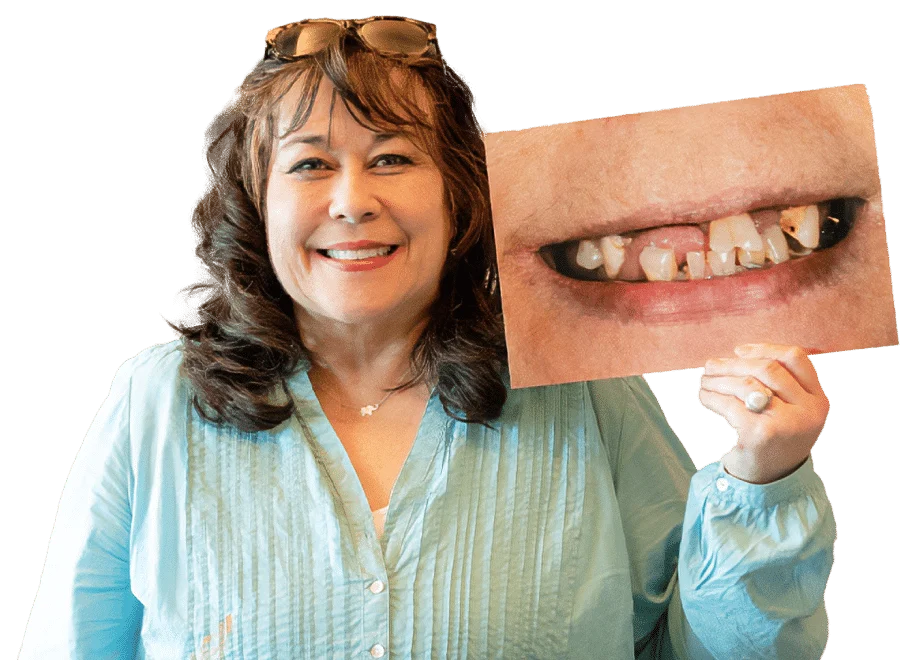
What Stabiliteeth Is and How It Differs from All-on-4 and All-on-X
If you’ve been told your remaining teeth can’t be saved, or you’re simply worn out by dentures that slip, you’ve probably run into a few different names for fixed full-arch implants. Stabiliteeth (the owners spell it "Stabili-Teeth") is one of them. It’s a patented full-arch system that pairs narrow-diameter implants with conventional-sized ones to hold a new set of teeth in place. One practice describes six implants in the upper or lower jaw supporting teeth made from strong, aesthetic resin, while another describes a mix of six to eight implants per arch. The count varies by practice, so keep that in mind as you compare.
All-on-4 works differently. The name says it: a full arch of teeth sits on four implants, two near the front of the jaw and two tilted toward the back at roughly 30 to 45 degrees. That angled placement is the clever part, because it can use the bone you already have without always needing extra grafting. You can read the general background in this overview of All-on-4. One small note: "All-on-4" is a registered trademark of Nobel Biocare, so you’ll often hear dentists say "all-on-four" or "all-on-X" to describe the concept.
All-on-X is the flexible cousin. Rather than committing to exactly four implants, the dentist plans the number and position around your jaw, often anywhere from four to six or more. In practice, all-on-4, all-on-four and all-on-x describe the same basic idea: a fixed bridge anchored to a handful of implants instead of one implant per missing tooth.
A point of transparency: think of this guide as an even-handed comparison. It’s meant to help you understand the landscape and ask better questions, wherever you end up being treated.
Comparing Implant Count, Bone Density and Healing Time
The biggest practical difference between these options is how many implants share the work of holding your teeth, and what that means for the bone you have.
A Stabiliteeth-style plan uses more implants, and some are narrower than standard. Spreading the chewing load across six or more points can be reassuring, and narrow-diameter implants may suit areas where the bone is thin. With all-on-4, fewer implants do the job, which can mean less surgery in some respects, but each one carries more of the load, and the back implants are angled to reach denser bone. All-on-x sits in between, letting your dentist add implants when your jaw calls for it.
Bone density decides things more often than patients expect. After teeth are lost, the jawbone gradually shrinks. If your bone is thin or soft, a plan with more support points may be the safer route; if you have reasonable bone at the front of the jaw, angled all-on-4 placement can work beautifully. No website can tell you which camp you’re in. A 3D scan and an exam can, and your clinician will choose based on bone quality, budget and how you need your teeth to function.
Healing time is similar in concept across all of them. The implants have to fuse with your bone, a process called osseointegration. For all-on-4, plan on roughly three to six months for the implants and gums to heal. One Stabili-Teeth practice describes a four-month healing process, after which all implants are fully engaged for greater stability and longevity. Either way, you typically leave with a functional temporary set of teeth, then receive your final teeth once healing is complete. In the meantime, a softer diet and gentle cleaning are part of the deal.
If you’d like to see how fixed teeth compare with removable options, our guide to dentures with dental implants walks through the differences in plain language.
Comfort, One-Visit Treatment and Sedation Options for Anxious Patients
For many people, the hardest part of a full-arch treatment isn’t the cost or the healing. It’s the thought of sitting in the chair. If that sounds like you, you’re in good company, and it’s a perfectly valid thing to build your decision around.
One-visit treatment is a major selling point of this whole category. Stabiliteeth is described as completed in a single visit, including any extractions and the attachment of functional temporary teeth. All-on-4 and all-on-x are commonly planned the same way: teeth that can’t be saved come out, implants go in, and a temporary bridge is fitted so you walk out with teeth rather than a gap. Whether same-day treatment is right for you depends on the health of your gums and bone. Some patients do better with a staged plan and a short healing pause before the temporary teeth go in, and a good dentist will tell you honestly which group you fall into.
This is where sedation can transform the experience. Sedation dentistry is designed to help you stay relaxed, comfortable and, depending on the level chosen, barely aware of the procedure. South Seattle Smiles offers sedation dentistry alongside its implant care, so anxious patients can discuss options in the same practice where the treatment is planned, with no referral elsewhere. The right level differs from person to person, so bring up your fears at your consultation. Mention past bad experiences, a strong gag reflex, or worries about needles. None of that is unusual, and speaking up lets the team tailor the plan to you.
Comfort afterward matters too. Expect some swelling and tenderness for a few days, and follow your aftercare instructions closely. Cleaning around fixed implant teeth is simple once you learn it: a soft-bristled brush and a non-abrasive toothpaste are the usual advice.
Understanding Costs and Asking for a Written Estimate in Washington
Price is where the research gets murky, so here’s the straight version. Some Stabili-Teeth sellers advertise all-inclusive per-arch pricing, but those figures come from individual practices and the manufacturer, not independent data, and they may not reflect what you’d pay in Washington. Treat any number you read online, including those, as a prompt for questions rather than a quote.
What actually drives the cost of any full-arch treatment? Several things:
- The number of implants and the type of final teeth
- Whether extractions, bone grafting or sedation are needed
- The materials used for your teeth
- Your imaging, temporary teeth and follow-up visits
Because those details differ for every mouth, the only reliable figure is a written estimate based on your own exam and scans. Ask for it itemized, and ask what’s included: extractions, sedation, temporary teeth, final teeth and follow-up care. Ask what happens if something needs adjusting later, and how long the estimate stays valid.
If you’d like a feel for typical ranges before your visit, our guides on how much are implants dental in Seattle and types of dental implants cost lay out what influences the total. And if the number feels daunting, there are ways to spread it out; see dental implants with financing and dental implants loans compared. For a broader look at coverage, teeth dental implants: costs, options and coverage explains what insurance may and may not help with.
How to Choose the Right Option and Book a Tukwila Consultation
Choosing between Stabiliteeth, all-on-4 and all-on-x comes down to a handful of practical criteria, not brand names.
- Your bone. Thin or soft bone may favor a plan with more implants or narrower ones; healthy front-jaw bone suits angled all-on-4 placement. Only imaging can confirm this.
- Your comfort level. If anxiety is your biggest hurdle, choose a practice where sedation and implant planning happen together.
- Your timeline. Decide whether leaving with temporary teeth the same day matters to you, and ask whether you’re a good candidate for it.
- Your budget. Get a written, itemized estimate and compare like with like.
- Your long-term care. Ask how follow-up, cleanings and any repairs are handled, and who you’d see.
- Your goals for appearance. Some patients also want a fuller smile makeover. If that matters to you, ask how veneers or other cosmetic dentistry procedures might fit alongside your new teeth.
The most useful step is simply to have your jaw assessed. At South Seattle Smiles, Dr. Lance Timmerman has been caring for Seattle-area patients since 1998 and can evaluate whether all-on-4 or all-on-x is the better fit for you, explaining his reasoning in everyday language. You can learn more about him on the page about Dr. Timmerman and dental care in Tukwila, WA.
Come to your consultation with a short list of questions: How many implants do you recommend for my jaw, and why? Will I leave with temporary teeth? What sedation options do you offer? What does the written estimate include? You deserve clear answers to every one. Whichever path you choose, the goal is the same: a stable, natural-looking smile that lets you eat, speak and laugh without a second thought. Book a visit to our Tukwila office, and let’s find the option that truly fits your jaw.