If you have started researching dental implants, you may have run into a step that comes before the implant itself: bone grafting. For many patients, hearing the word “graft” is the moment the plan suddenly feels more complicated than expected. The good news is that bone grafting for dental implants is a routine, well-understood part of modern restorative dentistry, and understanding what it is and why it happens usually replaces most of the worry with confidence.
Here at South Seattle Smiles, we walk patients through this step every week. This guide explains why the jawbone changes after tooth loss, when a graft is truly necessary, how the procedure works from consultation to healing, and what recovery actually looks like.
Why the Jawbone Changes After Tooth Loss
Bone behaves a lot like a muscle: it stays strong where it is being used and fades where it is not. That is because healthy bone constantly rebuilds itself in response to pressure. Natural tooth roots deliver that pressure every time you chew, which signals the jawbone to stay dense and full.
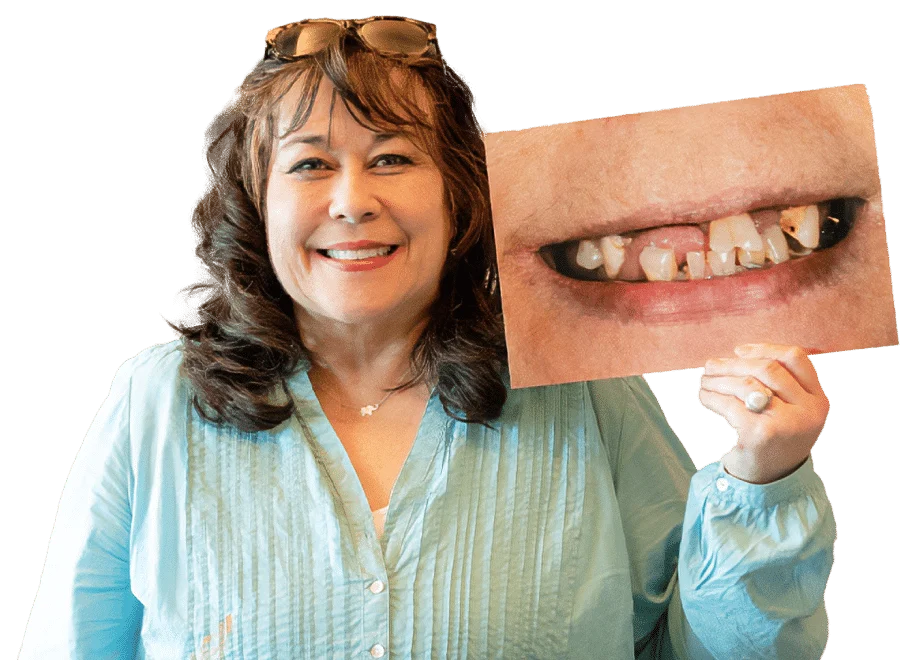
When a tooth is lost or extracted, that stimulation stops. Without it, the bone beneath the empty socket begins to shrink, a process called resorption. Much of this change happens in the first few months, and it can continue quietly for years. The result is a jaw that is narrower and shorter than it once was, along with the sunken look that often follows long-term tooth loss or ill-fitting dentures.
This matters for implants because a dental implant is anchored directly into bone. It works like a foundation. If the foundation is thin or weak, the implant cannot be placed securely, or it may be placed in a position that looks and functions poorly. That is exactly the problem a bone graft is designed to solve.
When Do You Actually Need a Bone Graft Before Implants?
Not every implant patient needs a graft. Some people still have plenty of healthy bone exactly where the implant will go. In other cases, one of the following situations makes grafting a smart or necessary step:
-
A tooth was lost or removed months or years ago and the bone has had time to resorb.
-
The tooth was lost due to advanced periodontal disease, which destroys bone around the roots.
-
The missing tooth sat next to the sinus cavity, and the upper jaw bone is naturally thin in that area.
-
You have worn dentures for a long time, and the underlying ridge has shrunk.
-
The planned implant site needs a little extra volume to look natural and support the surrounding teeth.
The only reliable way to know is a proper evaluation. A visual exam alone cannot tell you how much bone is really there; that requires imaging, which is why we start with a detailed look at your jaw before recommending anything.
Bone Grafting for Dental Implants, Step by Step
The consultation and 3D imaging
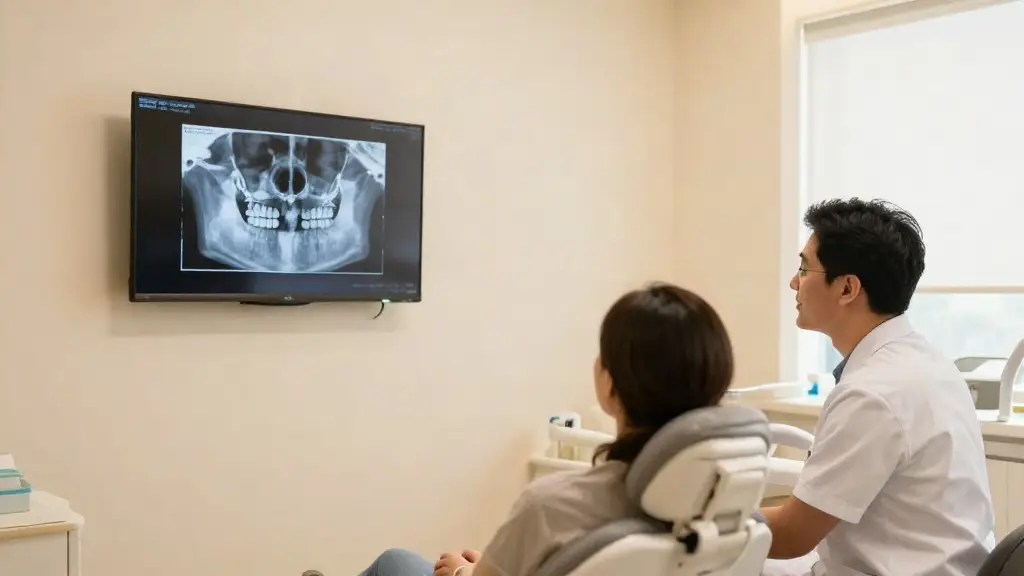
Your first visit is about understanding, not treatment. We review your dental and medical history, talk through your goals, and take a 3D scan of your jaw. This scan shows us the height and width of bone at the planned implant site, how close the nerves and sinuses are, and whether grafting is needed before or during implant placement. We then explain your options in plain language, so you know the why behind every recommendation.
The grafting procedure itself
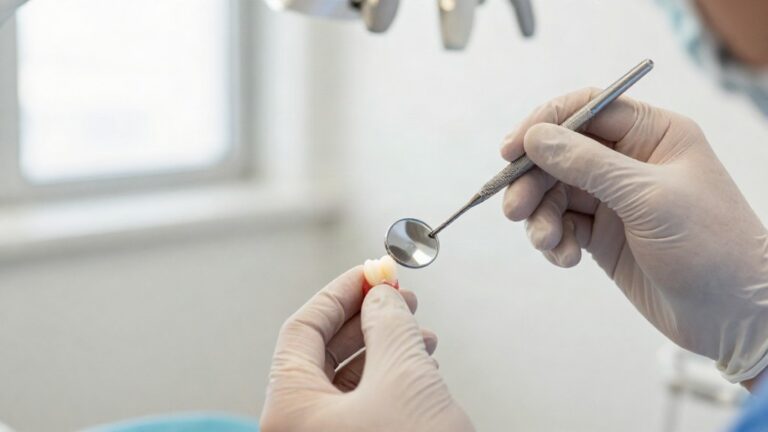
Most bone grafts are straightforward and performed right in the office under local anesthesia, often with sedation options for patients who feel anxious. The material used to rebuild the site may be your own bone, donated bone, or a synthetic graft material. It acts as a scaffold, giving your body a structure to build new bone into.
Depending on your situation, there are two common approaches. In a staged graft, we place the grafting material first and let it heal before the implant goes in. In a combined approach, the graft and the implant are placed in the same visit. Your 3D imaging and how much bone you have will determine which is right for you.
Healing and implant placement
Over the following months, your body gradually replaces the graft material with your own living bone in a process called osseointegration. Once that foundation is solid, we place the implant, then allow it to fuse with the bone before attaching the final crown. It is a deliberate, staged process, and that patience is what makes the final result stable and long-lasting.
What Recovery Looks Like
Recovery from a bone graft is generally easier than patients expect. Most people return to normal routines within a few days, though we ask you to avoid strenuous activity and to steer clear of chewing directly on the grafted area while it heals.
In the first 24 to 48 hours, mild swelling, tenderness, and light bleeding at the site are normal. Over-the-counter pain relief and cold compresses usually keep discomfort manageable, and any prescribed medication should be taken as directed. Soft, cool foods and plenty of fluids help. Most swelling settles within a week, and the site typically feels close to normal within one to two weeks.
Full bone healing takes longer, usually three to six months, but this is quiet, behind-the-scenes work that does not interrupt your daily life. We schedule follow-up visits to track your progress and confirm when the implant site is ready.
What Success Depends On
A few factors make the biggest difference in how smoothly a graft takes. Good oral hygiene, avoiding smoking, and managing conditions like diabetes all support healthy bone healing. Following your post-treatment instructions matters more than almost anything else. So does choosing a practice that plans the implant with the graft in mind, rather than treating them as separate events.
How South Seattle Smiles Approaches Bone Grafting
We know that an unfamiliar procedure can stir up real anxiety, and we never want you to feel rushed or talked over. Our team uses advanced 3D imaging so the plan is based on your actual anatomy, explains each step clearly, and offers sedation options for patients who need them. Whether you are missing a single tooth or rebuilding an entire smile after years of denture wear, our goal is the same: a result that looks natural, feels comfortable, and lasts.
If you have been told you need a bone graft before implants, or you are simply wondering whether implants are still possible after years of tooth loss, the next step is a conversation, not a commitment. Reach out to South Seattle Smiles for an evaluation, and let us show you what is possible. You deserve a smile you can trust.