Snoring, Sleep Apnea, and Your Dentist: A Beginner’s Guide to Oral Appliance Therapy
If you or your bed partner regularly deal with loud snoring, morning headaches, or waking up feeling exhausted despite a full night in bed, you might not immediately think of booking a dental visit. Most people associate dentistry exclusively with cleanings, fillings, or cosmetic smile makeovers. However, seeing a qualified sleep apnea dentist is increasingly one of the most effective, accessible first steps toward restoring restful sleep and protecting your overall health.
Obstructive sleep apnea (OSA) affects millions of adults, yet a vast majority remain undiagnosed. Fortunately, modern dental sleep medicine offers gentle, non-invasive solutions like oral appliance therapy that can transform your nights—without the noise or hassle of bulky equipment. Here is everything beginners need to know about the connection between your airway, your teeth, and how a dental professional can help you breathe easier.
Understanding Snoring vs. Obstructive Sleep Apnea
While snoring and sleep apnea are closely related, they are not quite the same thing:
-
Primary Snoring: When you sleep, the soft tissues in the back of your throat, including the soft palate and uvula, relax. As air passes through this narrowed passage, the tissues vibrate, producing the familiar sound of snoring. While primary snoring can disrupt a partner’s sleep, airflow into your lungs is not fully blocked.
-
Obstructive Sleep Apnea (OSA): With OSA, the throat muscles and tongue relax to the point where they repeatedly collapse and obstruct the airway entirely. Breathing stops for ten seconds or longer, multiple times per hour, causing oxygen levels to drop. Your brain briefly wakes you up just enough to reopen the airway—often with a gasp, snort, or choke—fragmenting your sleep cycle.
Left untreated, obstructive sleep apnea does far more than make you drowsy during the day. Over time, recurring oxygen drops put significant stress on your cardiovascular system, increasing your long-term risk for high blood pressure, heart disease, stroke, type 2 diabetes, and memory difficulties.
Why See a Dentist for Sleep Apnea?
Because the mouth and jaw structure directly dictate airway shape, dental professionals have specialized training in oral anatomy and craniofacial physiology. A sleep apnea dentist evaluates how your bite, tongue posture, palate dimensions, and jaw alignment influence how freely you breathe while lying down.
During routine visits or targeted airway evaluations, your dentist can spot subtle signs of sleep-disordered breathing that might otherwise go unnoticed, such as:
-
Excessive tooth wear, chipping, or flattening caused by nighttime teeth grinding (bruxism), which the body often uses as an unconscious reflex to open a collapsed airway.
-
Scalloped edges along the sides of the tongue from pressing firmly against teeth in an attempt to widen the throat passage.
-
A narrow dental arch, enlarged tonsillar tissue, or an elongated soft palate.
-
Chronic dry mouth or sore throat upon waking.
What Is Oral Appliance Therapy?
For many patients diagnosed with mild to moderate obstructive sleep apnea—or those who cannot tolerate a continuous positive airway pressure (CPAP) machine—oral appliance therapy offers a comfortable, custom alternative.
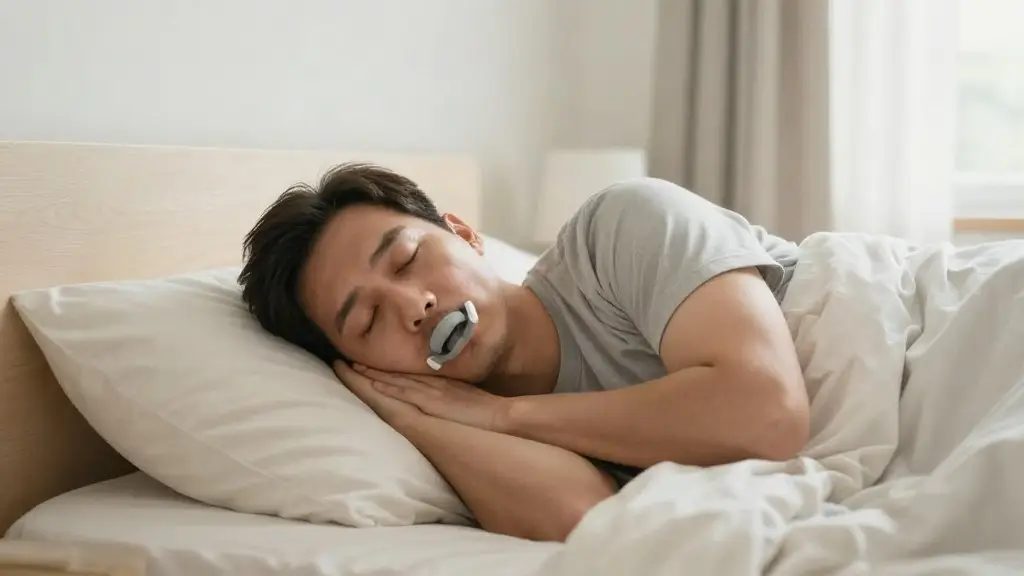
A custom oral appliance resembles an orthodontic retainer or sports mouthguard. Worn only while you sleep, it gently repositions the lower jaw slightly forward and stabilizes the tongue. By maintaining this forward posture, the device mechanically prevents soft tissue from collapsing into the throat, keeping your airway open and unobstructed all night long.
Key Benefits of Custom Oral Appliances
-
Quiet and Compact: Unlike CPAP machines, oral appliances require no electricity, no hoses, and produce zero mechanical noise, making them ideal for everyday use and effortless travel.
-
High Comfort and Compliance: Because each appliance is custom-crafted from precise digital impressions of your teeth, it fits snugly and comfortably, leading to significantly higher consistent use rates.
-
Non-Invasive: There are no surgical interventions required, and adjustments can be made gradually to achieve the ideal airway opening without straining your jaw muscles.
What to Expect at Your Consultation
Taking the first step toward better sleep is straightforward and patient-friendly. When you schedule an airway consultation with our team, here is what your journey typically looks like:
-
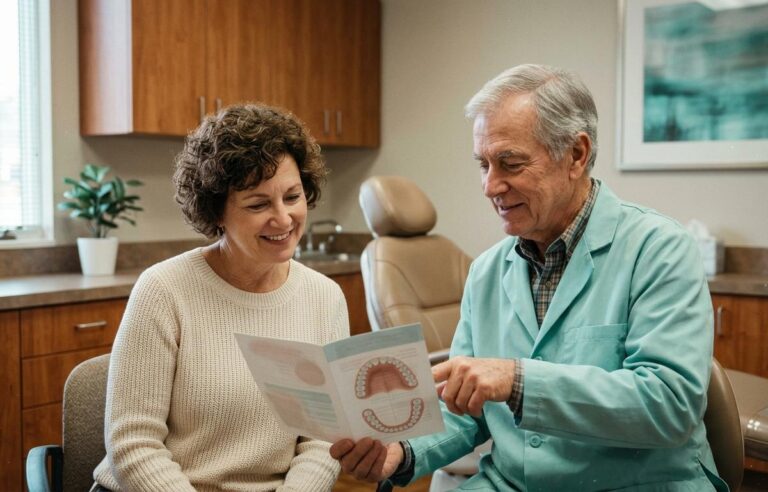
Comprehensive Airway & Oral Examination: We review your sleep symptoms, medical history, and thoroughly examine your teeth, jaw joints (TMJ), and airway anatomy.
-
Sleep Testing Coordination: A formal medical diagnosis of sleep apnea is provided in collaboration with a board-certified sleep physician, often using a convenient home sleep test (HST).
-
Digital Impressions & Custom Fitting: If an oral appliance is right for you, we take precise 3D scans of your mouth to design a device tailored exactly to your unique dental profile.
-
Follow-Up and Ongoing Support: Once your device is ready, we guide you through proper placement, care, and schedule follow-ups to ensure optimal comfort, bite alignment, and symptom relief.
Who Is a Candidate for Oral Appliance Therapy?
Oral appliance therapy is generally recommended for:
-
Adults diagnosed with mild-to-moderate obstructive sleep apnea.
-
Individuals who struggle with loud, chronic snoring without significant central sleep apnea.
-
Patients who are CPAP-intolerant or frequently travel and need a portable treatment option.
-
Patients seeking a collaborative, comfortable approach to overall wellness and better rest.
Breathe Easier and Sleep Better Tonight
Quality sleep is fundamental to every aspect of your health, mood, and daily energy. If chronic snoring or morning fatigue is holding you back, you do not have to struggle in silence or accept restless nights as normal. Reach out to our team at South Seattle Smiles today to schedule your consultation and discover how custom dental solutions can help you rediscover deep, revitalizing sleep.