Teeth Whitening vs. Porcelain Veneers: Which Is Right for Your Smile Goals?
If you have been comparing teeth whitening vs veneers, you are probably not looking for a sales pitch. You are looking for an honest answer: which one gets me closer to the smile I actually want? The truth is that these two treatments solve very different problems. One brightens the teeth you already have. The other reshapes and rebuilds the way your smile looks, sometimes tooth by tooth. Knowing where each one shines is the fastest way to make a confident, no-regrets decision, and at South Seattle Smiles we would rather explain your options clearly than push you toward the bigger ticket.
What Each Treatment Actually Does to Your Teeth
Whitening, at its core, is a bleach. A professional-grade gel lifts surface stain and lightens the natural color of your enamel, both on the surface and a few layers deep. It does not change the shape, size, or position of a single tooth. It simply turns the dial on brightness, usually several shades in a single visit, and your teeth stay entirely your own.
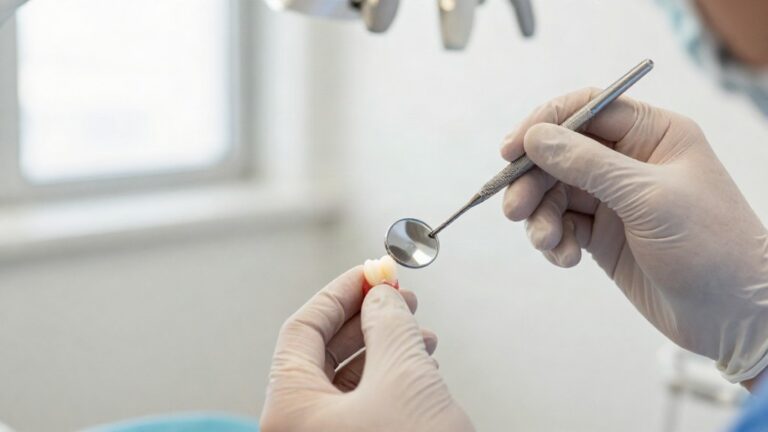
Porcelain veneers work in a completely different register. A veneer is a thin, custom shell of porcelain bonded to the front of a tooth. A small amount of enamel is usually reshaped to make room for it. That means veneers can change color and shape, close small gaps, cover chips, straighten the appearance of a mildly crooked tooth, and even out the size of teeth that look short or worn. Where whitening is a cosmetic rinse, veneers are a cosmetic rebuild.
How the Results Differ
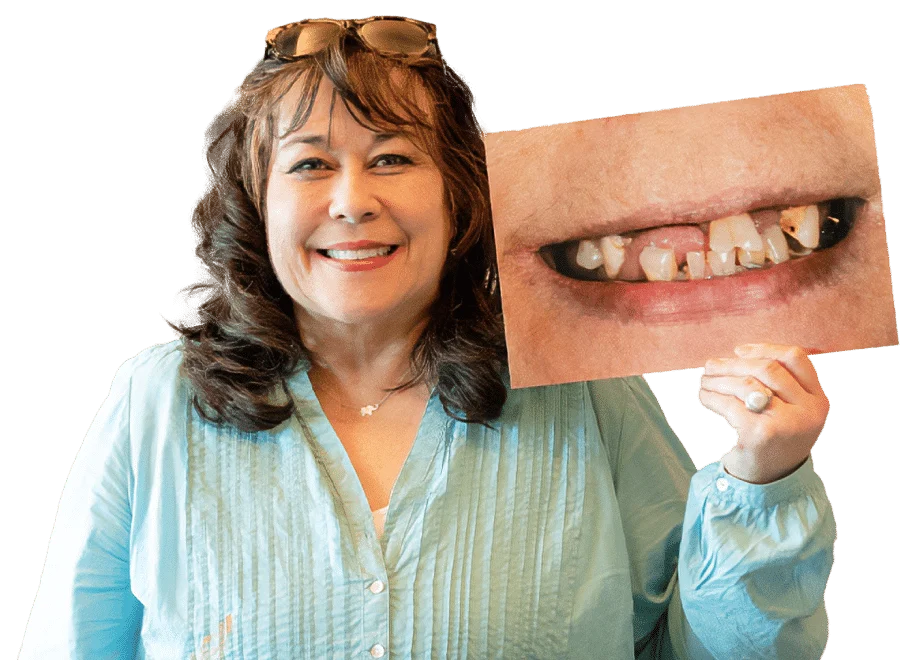
With whitening, expect a brighter version of your natural smile. Teeth look cleaner, younger, and more refreshed, and the change is often dramatic enough to notice in photos. The trade-off is that whitening cannot fix what is structurally wrong. A chipped edge stays chipped. A rotated tooth stays rotated. Chips, gaps, and deep intrinsic stains (the gray or brown that lives inside the tooth, not just on it) often survive whitening untouched.
Veneers, by contrast, deliver a designed result. Because your dentist can control the shade, length, shape, and surface texture of every shell, the outcome is closer to a planned makeover than a brightening. The trade-off is that the change is permanent. Enamel removed for a veneer does not grow back, so this is a long-term commitment, not a seasonal refresh.
Side-by-Side: Cost, Longevity, and Maintenance
Seeing the trade-offs in one place usually makes the choice much clearer.
Cost. Whitening is the more affordable path by a wide margin. In-office whitening and professional take-home kits both sit at the lower end of cosmetic dentistry pricing, and many patients repeat it periodically instead of treating it as a one-time purchase. Veneers are priced per tooth, so a full smile makeover costs many times more than a whitening session. If cost is the deciding factor, whitening is the obvious entry point.
Longevity. Whitening results typically hold for six months to two years, depending on your coffee, tea, wine, and tobacco habits, then fade gradually and can be refreshed. Veneers are built to last roughly ten to fifteen years, and often longer with good care. You are paying more up front for a result that stays put far longer.
Maintenance. Whitening asks very little of you beyond brushing, flossing, and occasionally re-whitening. Veneers need the same daily care plus a little more caution: avoid biting into hard objects, wear a night guard if you grind, and plan on eventual replacement. Neither is high-maintenance, but veneers are a longer relationship.
Reversibility. This is the quiet decider. Whitening is reversible and repeatable. You can try it, see how you feel, and stop there. Veneers are permanent, because enamel is removed to seat them. That single fact pushes many cautious patients to start with whitening first.
How to Choose Based on Your Goals, Budget, and Enamel Health
Ask yourself what is actually bothering you. If you like the shape and alignment of your teeth and only wish they were whiter, whitening is almost always the right first step, and it is less invasive. If you dislike the shape, spacing, or wear of your teeth, no amount of bleaching will fix that, and veneers are the tool designed for it.
Enamel health matters too. Strong, intact enamel is ideal for whitening. Teeth with deep internal discoloration, old bonding that will not whiten, or significant wear may respond poorly to bleach and better to veneers, which cover the problem rather than trying to lighten it. A short exam and a shade check tell your dentist exactly which category you fall into.
A common middle path is to whiten first and then reassess. Many patients are delighted with the brightness alone and never need anything more. Others use whitening to set a baseline shade, then add veneers on a few front teeth to fine-tune shape. There is no rule that says you have to jump straight to the most involved option.
Frequently Asked Questions
Will whitening work if my teeth are naturally yellow? Often yes. Natural yellow tones tend to respond well to professional whitening, while gray or brown intrinsic stains may not lift fully and are better addressed with veneers.
Can I whiten teeth that already have veneers? No. Porcelain does not bleach, so if you whiten the surrounding natural teeth, existing veneers can look mismatched. This is one reason planning order matters.
Are veneers painful? The procedure is usually done with local anesthetic and feels similar to getting a crown. Mild temporary sensitivity afterward is common and typically settles within days.
Next Steps at South Seattle Smiles
There is no single right answer, only the right answer for your teeth and your goals. A relaxed consultation takes the guesswork out of teeth whitening vs veneers. We will look at your enamel, talk through your budget honestly, and show you what each option can realistically achieve before you commit to anything. Whether you are ready for a brighter smile today or want to plan a fuller makeover, we will help you choose with confidence and zero pressure.