Sleep Apnea Dentist vs. Sleep Specialist: Who Does What
If you’ve been searching for a sleep apnea dentist seattle residents can trust, start with this: treatment takes a team. Two professionals do two different jobs, and once you see how the handoff works, much of the mystery (and worry) goes away.
A sleep physician diagnoses. According to the sources we reviewed, a sleep doctor has to diagnose you with sleep apnea using a sleep study or a home sleep apnea test. A dentist can’t make that call alone. Maybe a dental team suspects apnea because of loud snoring, morning headaches, daytime fatigue, or the shape of your airway and jaw. The right move then is a referral to a sleep specialist for testing.
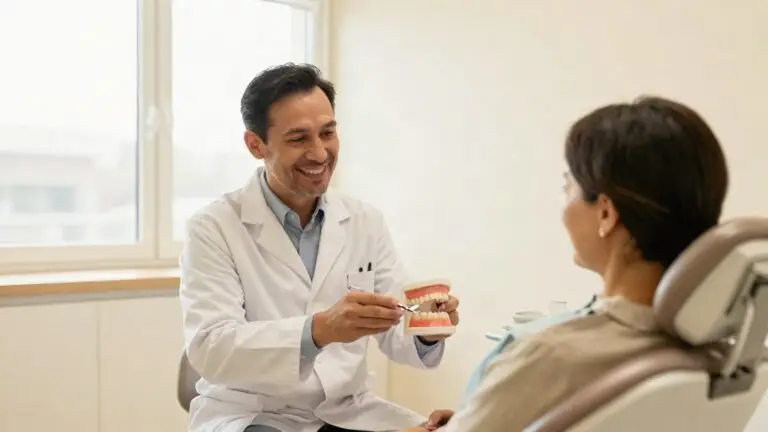
Once the diagnosis is confirmed, the dentist’s work begins. A dentist trained in dental sleep medicine designs, fits and adjusts a custom oral appliance, then monitors how your mouth and bite respond over time. The device is built to fit your teeth, and it can be adjusted to find the jaw position that best reduces symptoms. The sleep physician usually stays in the loop, often ordering a follow-up sleep test to confirm the appliance is doing its job.
One more point of honesty: oral devices treat obstructive events only, and they are unlikely to help with central forms of sleep apnea. That’s another reason the physician’s diagnosis matters. It tells everyone which kind of apnea you have, and so which treatments are even on the table.
Plenty of patients looking for a sleep apnea dentist seattle find real comfort in having this handled by a practice that already knows their mouth. At Dr. Timmerman’s Tukwila office, sleep apnea treatment sits alongside routine checkups, cleanings and restorative care. The person adjusting your appliance is also the person keeping an eye on your overall oral health.
Oral Appliances vs. CPAP: Who Is a Good Fit
CPAP is still the benchmark. The most effective therapy for sleep apnea is continuous positive airway pressure, and a published review notes that mandibular advancement devices reduce the severity of obstructive sleep apnea, but to a lesser extent than standard CPAP. Put simply, an oral appliance is a comfortable, effective alternative for the right patient. It isn’t a magic replacement for everyone.
So who tends to be a good fit? Oral appliance therapy helps most in people with mild to moderate obstructive sleep apnea, and the American Sleep Association makes a similar point. The American Academy of Sleep Medicine recommends oral appliances for people who can’t use positive airway pressure treatment, as described by Emory Healthcare. The FDA has approved oral appliances for sleep apnea treatment, which is reassuring if you’re wondering whether this is a legitimate medical option. You can read more in the Sleep Foundation’s overview of oral appliance therapy.
Here’s how that plays out in everyday life:
- If CPAP has been hard to tolerate: the mask, the hose, the air pressure, or travel can turn nightly use into a struggle. A small custom device that sits in your mouth can feel far more approachable, especially if you’ve been skipping therapy altogether.
- If your apnea is mild to moderate: you’re in the group where oral appliances have the strongest track record.
- If your apnea is severe: CPAP is usually the first recommendation, though your sleep physician may discuss an appliance as an alternative or a companion if CPAP truly isn’t working.
- If you only snore: a dental device may still offer relief, but a sleep evaluation is the safest way to know whether snoring is hiding something more.
Your teeth and jaw health matter too. The appliance works by gently holding your lower jaw forward, so your dentist will want to check your teeth, gums and jaw joints first. That’s one reason a comprehensive dental practice is a natural place to have this conversation.
What to Expect From First Visit to Follow-Up
Fear of the unknown keeps many people from getting help, so here’s a calm walk-through of how the process usually unfolds.
Step one is the diagnosis. If you haven’t had a sleep study or home sleep apnea test yet, that comes first, through a sleep physician. If you already have results, bring them along.
The consultation. Your dentist will review your sleep study findings and health history, examine your teeth, gums, bite and jaw joints, and talk through whether an oral appliance suits your situation. This is a good time to mention anything that makes dental visits stressful for you. A warm, unhurried practice will treat that as important information, not an inconvenience.
Impressions or scans. To build a device that fits you precisely, your dentist takes impressions or digital scans of your teeth. It’s typically quick and comfortable.
Fitting day. When your custom appliance is ready, you’ll try it on, learn how to insert and remove it, and pick up tips for care and cleaning. Expect some adjustment time. Feeling a little aware of the device at first is normal.
Fine-tuning. Mandibular advancement devices can be adjusted, so your dentist can find the jaw position that best reduces symptoms. Expect a few follow-up visits early on to refine the fit gradually and make sure you’re comfortable.
Confirming it works. Your sleep physician will usually recommend a follow-up sleep test while you wear the appliance. That gives you objective proof the device is reducing your apnea, not just a feeling that you’re sleeping better.
Long-term care. Many pages skip this part. Oral appliance therapy should be considered a lifelong treatment, and there’s a risk of dental side effects over time, such as changes in how your teeth fit together. Research on long-term use stresses thorough follow-up by a dentist experienced in dental sleep medicine. In practice, that means keeping up with regular checkups and cleanings so small changes get caught early.
Costs, Medicare, and Private Insurance Explained
Cost is often the deciding question when choosing a sleep apnea dentist seattle, so let’s be as clear as the research allows without inventing numbers.
The Sleep Foundation states that a custom-fitted oral appliance from a dentist may cost between $1,500 and $4,500, including the consultation, scans or impressions, fabrication of the device, and follow-up appointments. Treat that as a general range from a single source, not a quote. Your actual cost depends on the type of device, what your office includes in its fee, and your coverage.
On insurance, the picture varies:
- Medicare: Medicare Part B does cover oral appliances for sleep apnea. If you’re a Medicare patient, ask the office to walk you through the documentation required and what your share of the cost will be.
- Private plans: coverage varies widely. Some plans treat the appliance as a medical benefit rather than a dental one, and others may not cover it at all. Don’t assume yes or no. Call your insurer, or ask the dental office to help verify your benefits before you commit.
Because the diagnosis comes from a sleep physician, your medical insurance may be involved in the testing and possibly the device, so keep both your medical and dental plan details handy.
If coverage falls short, financing can make care more manageable. We’ve written about how patients approach this for larger dental treatments in our guides to dental implants with financing and financing options compared. The same general principles apply: ask about payment plans, compare terms carefully, and get the full cost in writing before you begin.
How to Choose a Seattle Sleep Apnea Dentist
Choosing a sleep apnea dentist seattle has less to do with the flashiest website and more to do with finding someone you trust for the long haul, since this therapy involves ongoing follow-up. Here are concrete criteria to weigh.
Do they work with your sleep physician? A good dental sleep provider coordinates with the doctor who diagnosed you, requests or reviews your sleep study, and supports a follow-up test to verify results. Be wary of anyone who offers to diagnose sleep apnea on their own.
Do they have experience in dental sleep medicine? Research on oral appliance therapy emphasizes follow-up by a dentist experienced in the field. Ask how many appliance patients they treat, which devices they use, and what their adjustment process looks like.
Are they honest about limits? A trustworthy dentist will tell you that CPAP is the most effective treatment, that appliances suit mild to moderate cases best, and that they won’t help with central sleep apnea. Straight talk is a good sign.
Is long-term follow-up built in? This is a lifelong therapy with possible dental side effects, so you want a practice that schedules regular monitoring. A comprehensive office that already sees you for checkups and cleanings makes that easy to keep up.
Do they understand your whole mouth? If you’re also considering other work, such as dentures with dental implants or cosmetic dentistry options, one team that sees the full picture and plans around it helps. The condition of your teeth and bite affects how an appliance fits, so coordinated care can save you time and surprises.
Do they make you feel at ease? If dental visits make you anxious, say so up front. A gentle, patient-friendly approach matters, especially when you’ll be returning several times for fittings and adjustments.
Are costs and coverage transparent? Ask for a written breakdown of what’s included, what insurance may cover, and what follow-up visits cost.
If you’d like to explore whether an oral appliance could help you, Dr. Timmerman’s team in Tukwila can talk you through your options in a relaxed, no-pressure consultation. For a deeper look at how the therapy works, the American Academy of Sleep Medicine’s patient guide is another reliable place to start.