If you have ever crunched down on an unpopped popcorn kernel or an ice cube and felt a sudden jolt, you have probably asked yourself a version of this question: how hard are teeth, really? The answer is genuinely impressive, and it also explains why protecting your enamel matters every single day. Your teeth are built to handle a lifetime of chewing, but they are not invincible. Understanding how they hold up, and what wears them down, is the first step toward keeping them strong for decades to come.
How Hard Are Teeth? The Short Answer
Tooth enamel, the glossy outer layer you see when you smile, is the hardest substance in the human body. It is tougher than bone and made almost entirely of minerals, mainly a calcium phosphate crystal called hydroxyapatite. On the Mohs hardness scale, which ranks materials from soft talc at the bottom to diamond at the top, enamel sits around a 5. Gold and silver land near 2.5 to 3, and common steel falls in a similar range to enamel. In everyday terms, your smile is in a surprisingly durable category.
But here is the catch: hard is not the same as unbreakable. Enamel is brittle and contains no living cells. Unlike bone, which can mend itself after a fracture, enamel cannot regrow once it is worn or chipped. Whatever strength you have today is the strength you keep, which makes prevention the whole game.
Enamel vs. Bone and Other Materials
Bone is often used as the benchmark for toughness in the body, and enamel outranks it. Bone is a living, slightly flexible structure with collagen woven through its minerals, which gives it some give under pressure. Enamel is nearly pure mineral, close to 96 percent, making it harder but far more rigid. That rigidity is exactly why it can crack under a sudden, uneven force, like biting down on a hard pit or an ice cube, even though it resists the steady grind of daily chewing remarkably well.
Below the enamel sits dentin, a softer, more bone-like layer that makes up most of the tooth. Once enamel wears thin or a cavity breaks through it, the dentin and the sensitive nerve inside become exposed. That is why hot, cold, and sweet foods start to sting. The hardness of enamel is your protection, and the moment it thins, you feel it.
What Wears Enamel Down
Even the hardest tissue in your body faces daily wear. The biggest culprits are rarely dramatic. They are the small, repeated habits you might not think twice about.
Acid and Sugary Drinks
Acid is enamel’s quiet enemy. Soft drinks, fruit juice, sports drinks, and even frequent coffee sipping create an acidic environment that softens the mineral surface. When that softened enamel is exposed again and again, it gradually erodes. Sipping sugary or acidic drinks slowly over hours is harder on your teeth than finishing one with a meal, because your mouth never gets a break to recover.
Grinding and Clenching
Many people grind or clench their teeth without realizing it, often during sleep or in response to stress. That constant pressure wears down the flat chewing surfaces over time, flattening the edges of your teeth and leaving them more vulnerable to cracks and sensitivity.
Brushing Habits
Brushing is essential, but force is not your friend. Scrubbing hard with a firm-bristled brush or an abrasive toothpaste can scratch and thin enamel over the years. Brushing immediately after acidic food or drink is also rough on teeth, since the softened surface is more easily worn away.
Diet and Everyday Bites
Chewing ice, crunching hard candy, biting your nails, opening packages with your teeth, and gnawing on hard pits all put sudden, concentrated stress on enamel. Repeated over time, these small choices can lead to chips and fractures in even healthy teeth.
How to Protect Your Enamel Day to Day
The good news is that enamel-friendly habits are simple, and small changes add up. A few practical steps go a long way:
- Brush gently twice a day with a soft-bristled brush and fluoride toothpaste.
- After acidic food or drinks, wait about 30 minutes before brushing and rinse with water in the meantime.
- Cut back on soda, sports drinks, and constant snacking; when you do enjoy them, have them with a meal.
- Drink water throughout the day to rinse away acid and keep saliva flowing.
- Ask about a custom night guard if you grind your teeth.
- Keep up with regular dental visits so small issues stay small.
Fluoride deserves a special mention. It helps remineralize the surface of your enamel, giving it a chance to repair minor damage before it becomes a cavity. That is one more reason a simple fluoride toothpaste and routine professional care matter more than any trend.
When to See a Dentist
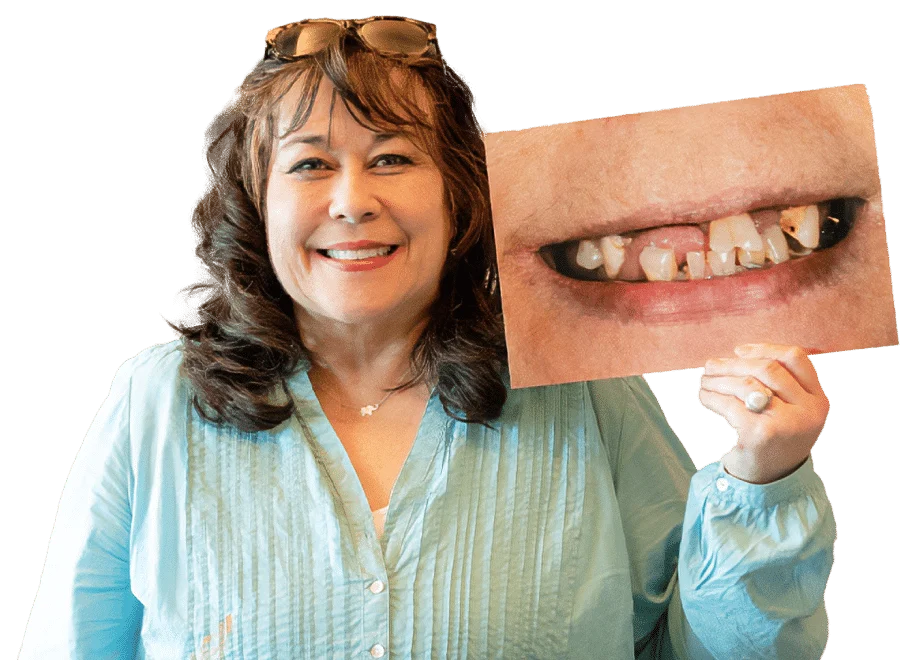
It is worth scheduling a visit if you notice increased sensitivity to hot or cold, visible discoloration or yellowing, rough or chipped edges, or a tooth that aches when you bite down. These are often early signs that enamel has worn thin, and catching them early usually means simpler, more comfortable treatment.
You should also reach out if you grind your teeth, have an uneven bite, or feel anxious about dental visits. Modern practices offer gentle, judgment-free care, and sedation options can make treatment far more comfortable for nervous patients. There is no need to wait until something hurts to get help.
Protecting the Smile You Have
Teeth are remarkably hard, harder than bone and comparable to steel, yet they cannot heal themselves. That single fact is why daily habits and regular checkups matter so much. Protecting your enamel is really about protecting your comfort, your confidence, and the natural teeth you want to keep for life.
At South Seattle Smiles, we help patients throughout the Seattle and Tukwila area care for their teeth at every stage, from routine cleanings and preventive visits to restorative treatment when enamel has already worn down. If you have questions about your enamel, sensitivity, grinding, or anything else about your smile, we would be glad to help. Reach out to schedule a visit, and let us keep your teeth strong for the long run.