Dentures vs. Implants: An Honest Look at Your Options
If you are missing several teeth – or you have been living with dentures that slip, click, or just do not feel like yours – you already know the question is not abstract. It is personal. It shows up at dinner, in photos, and in the mirror every morning.
At South Seattle Smiles, patients ask us the same thing all the time: should I stay with dentures, or is it time to consider implants? The honest answer is that both can be good choices. What matters is which one fits your mouth, your health, your budget, and the life you want to live.
Here is a plain-English comparison to help you think it through – no pressure, no jargon.
How Each Option Actually Works
Traditional dentures are removable appliances that rest on your gums. A full denture replaces all the teeth in an arch; a partial denture fills in the gaps between remaining teeth. They are custom-made to match your bite and can be taken out for cleaning and at night.
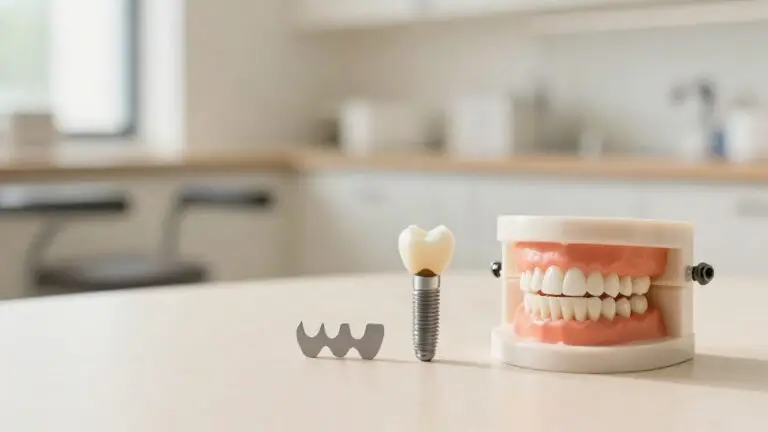
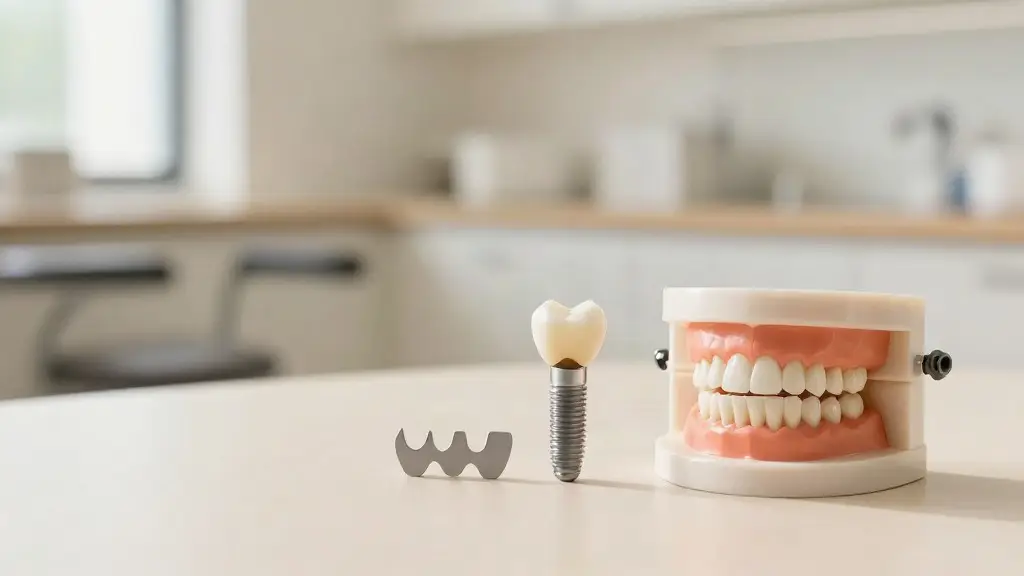
Dental implants are titanium posts surgically placed into your jawbone, where they act as artificial tooth roots. Once they heal, they support a crown, a bridge, or a full arch of replacement teeth. Implant-supported teeth are fixed in place – you do not remove them to eat or sleep.
There is also a middle path many patients do not know about: implant-supported dentures. These use a smaller number of implants to snap a denture securely into place. You still get the affordability and easy cleaning of a denture, but without the slipping.
Fit and Comfort: The Biggest Everyday Difference
This is where dentures and implants part ways most sharply.
Dentures rest on gum tissue, and gum tissue changes over time. That is why dentures that fit well in year one often loosen by year three. They can rock when you talk, lift when you laugh, and trap food underneath. Many patients manage this with adhesive, but adhesive is a patch, not a fix. Over time, the jawbone beneath a denture also shrinks because it is no longer being stimulated by tooth roots – which makes the fit worse and changes the shape of the lower face.
Implants solve the fit problem at the root, literally. Because they are anchored in bone, they do not move. Patients tell us the difference is not subtle: they stop thinking about their teeth. They bite into an apple without planning ahead.
If you have been struggling with loose dentures, this is usually the moment the conversation shifts.
Chewing, Speaking, and Taste
People with well-made dentures can eat most foods, but there is a learning curve, and some foods stay off the menu – steak, raw vegetables, crusty bread, corn on the cob. Speech can take practice too, especially with the letter sounds that need the tongue against the roof of the mouth.
Implant-supported teeth restore close to natural chewing power. You eat what you want, and you speak without rehearsing.
One small trade-off worth naming: a full denture covering the roof of your mouth blocks some of your sense of taste. Implants leave the palate open, so food tastes like it should.
Maintenance and Longevity
- Dentures need daily removal, brushing, and soaking, plus professional adjustments as your gums change. Expect to replace or reline them every five to eight years. They are the lower-cost, lower-commitment option up front.
- Implants are brushed and flossed like natural teeth and checked at your regular visits. With good home care, the implant itself can last decades, and many last a lifetime. The crowns on top may need replacement eventually, but the foundation stays.
Think of it as the difference between renting and owning. Dentures are a recurring cost; implants are a larger investment that tends to pay you back in stability and years of use.
Cost: What Patients Usually Ask First
We will be straight with you, because this is where most online comparisons get vague.
Dentures cost less up front. Implants cost more per tooth, and a full-arch solution is a significant investment. But a single number hides the real comparison, because dentures are replaced and adjusted repeatedly over the years, and the total can climb.
That is exactly why we encourage patients to ask about implant-supported dentures. They sit in the middle: more stability than a traditional denture, far less than replacing every tooth with an individual implant.
At your consultation, we give you clear pricing for your specific situation – including sedation options and payment plans – so you can compare honestly instead of guessing. You can also start with our pricing guide to see typical ranges before you come in.
Am I a Candidate?
Most healthy adults are candidates for implants, but the details matter. We look at bone volume, gum health, medications, smoking, and any conditions that affect healing. If bone has shrunk, grafting can often rebuild it and make implants possible.
If you have dental anxiety, please say so. Sedation dentistry is one of our core services, and it changes the experience for a lot of patients who thought they could never sit through treatment.
The only way to know for sure is an exam – and an exam does not commit you to anything.
How to Decide
Ask yourself three questions:
- How much does stability matter in my daily life? If slipping dentures are limiting what you eat or how you smile, that points toward an implant-supported option.
- What can I invest, and how do I want to spread it? Lower cost now with periodic replacement, or a larger up-front investment with longer life.
- How is my overall health and healing? This shapes which options are safe and realistic for you.
There is no single right answer, and anyone who tells you otherwise is selling, not advising.
Your Next Step
You do not have to decide today. Come in, let us look at your mouth and your goals, and we will lay out every option – dentures, implants, and the hybrid approaches in between – with real numbers and honest trade-offs.
Whether you are in Tukwila, Southcenter, or anywhere in the greater Seattle area, our team is here to help you get back to eating, laughing, and smiling without a second thought.
Ready to talk through your options? Schedule a consultation with South Seattle Smiles and take the first step at your own pace. Your smile is worth the conversation.