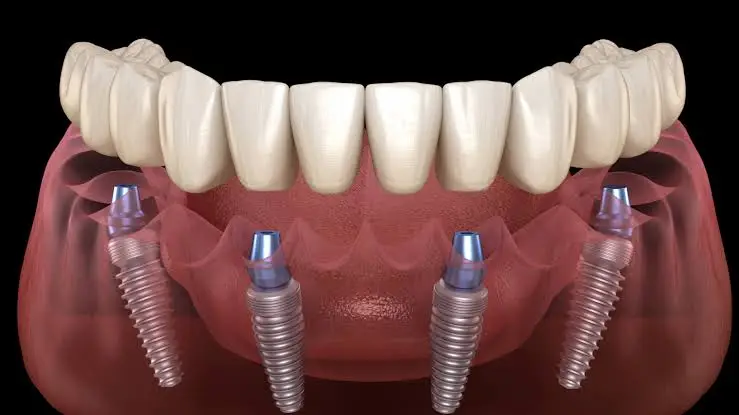
How to Compare Upfront Cost vs. Lifetime Maintenance for Any Dental Treatment
When two dental treatments have very different price tags, most people compare the numbers on the quotes and stop there. But a lower up-front price can cost more over the years, and a higher one can save money. The trick is knowing how to compare them fairly – and it is a skill you can use for any treatment decision, not just implants and bridges.
Here is a simple, repeatable method for weighing upfront cost against lifetime maintenance.
Step 1: Get the upfront number in writing
Start with the full cost today, not a partial quote. Ask for an itemized estimate that includes the exam, any imaging, the restoration itself, and every follow-up visit. Two options are only comparable if you are seeing all-in figures for each.
If one quote looks dramatically cheaper, check what it leaves out. A price that excludes prep work or a needed graft is not a real comparison yet.
Step 2: Estimate the maintenance timeline
Next, ask how long each option lasts and what upkeep it needs.
- Some restorations are designed to be replaced on a schedule – a bridge every ten to fifteen years, a denture remade as your jaw changes.
- Others are built to last decades with routine care once they are in place.
For each option, write down two things: the expected lifespan, and any routine repairs or replacements along the way. This is where the cheap option often stops looking cheap.
Step 3: Factor in insurance and financing
Insurance can tilt the decision, but only if you know your real numbers. Ask your dentist to run your specific benefits against each option. Then look at financing: if the longer-lasting treatment can be spread across monthly payments, its larger total may feel no heavier than the lower-price option you would have to redo sooner.
Step 4: Convert everything to cost per year
This is the step that settles most debates. Take the total lifetime cost of each option – upfront plus maintenance – and divide it by the number of years you expect to keep it.
Cost per year = (upfront cost + total maintenance over its life) ÷ years in use
The option with the lower cost per year is the more sustainable investment, even when it had the higher starting price. A single figure spread across thirty years often beats a smaller figure spread across ten – twice.
Step 5: Weigh what the numbers cannot show
Cost is not the only factor, and it should not be the only one. Two treatments with similar cost-per-year totals can feel very different to live with. Consider:
- Comfort and confidence – does it feel like a natural tooth, or does it come out and slip?
- Effect on bone and neighboring teeth – does the option protect what you still have?
- Time and appointments – some options heal slowly but need little after; others are fast but repeat.
- Your health history – surgery, medications, or bone loss can rule options in or out.
A treatment that costs a little more per year but protects your other teeth and lets you eat normally is often the better long-term value.
A quick worked example
Imagine two options for a single gap.
Option A costs $2,500 up front and needs replacing roughly every twelve years, at about $2,500 each time. Over twenty-four years, that is roughly $5,000 – about $208 per year.
Option B costs $5,000 up front, needs routine care only, and can last thirty years. Spread across thirty years, that is about $167 per year – and it is not scheduled for replacement at all.
Different starting prices. The longer-lasting option wins on cost per year. That is the whole method in one comparison.
Use this framework before you commit
You now have a repeatable way to judge any two treatments: get the full upfront number, map the maintenance timeline, account for insurance and financing, convert to cost per year, then weigh the human factors. It is not complicated, and it turns a stressful guess into a clear, defensible decision.
If you are weighing restorative options and want help running these numbers for your own mouth, Dr Lance Timmerman DMD at South Seattle Smiles in Tukwila would be glad to build that side-by-side comparison with you.